Birthstones by Month: A UK Jewellery Gift Guide for Beginners
A beginner's guide to birthstones by month, from garnet to turquoise, with practical UK jewellery gift ideas, wear-and-care advice and what to check before you buy.
Birthstones turn a safe gift into a personal one. Instead of guessing at someone's taste in gold or silver, you start with a stone that already means something to them: the one tied to the month they were born. It is a simple idea, it has been around for centuries, and it works at almost any budget, from a small pair of stud earrings to a piece they will wear every day.
Below is a beginner's guide to the twelve stones, plus the practical bits UK shoppers tend to ask about: which ones cope with daily wear, what needs looking after, and what to check before you hand over your card.
The twelve birthstones, month by month
Most jewellers work from a standard modern list. Traditional lists vary slightly, and I will come to that. These are the stones you will see labelled in UK shops.
- January — garnet. Deep red is the classic, though garnets also appear in green, orange and pink. Warm and versatile, and it suits silver as readily as gold.
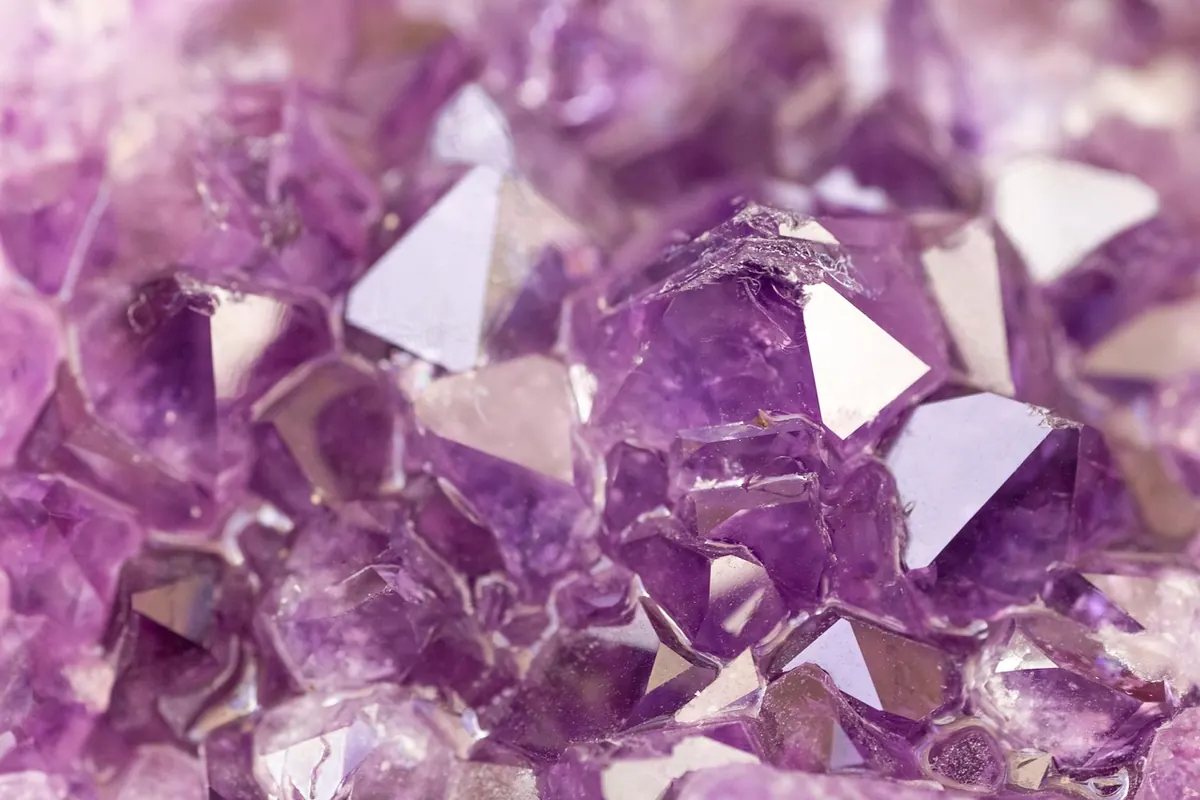
- February — amethyst. Purple quartz, widely available and usually good value. One of the easiest stones to find in a well-cut, affordable size.
- March — aquamarine. Pale blue and quietly elegant. Bloodstone is the older alternative for this month.
- April — diamond. The traditional choice. White sapphire and clear quartz are often used as budget-friendly stand-ins.
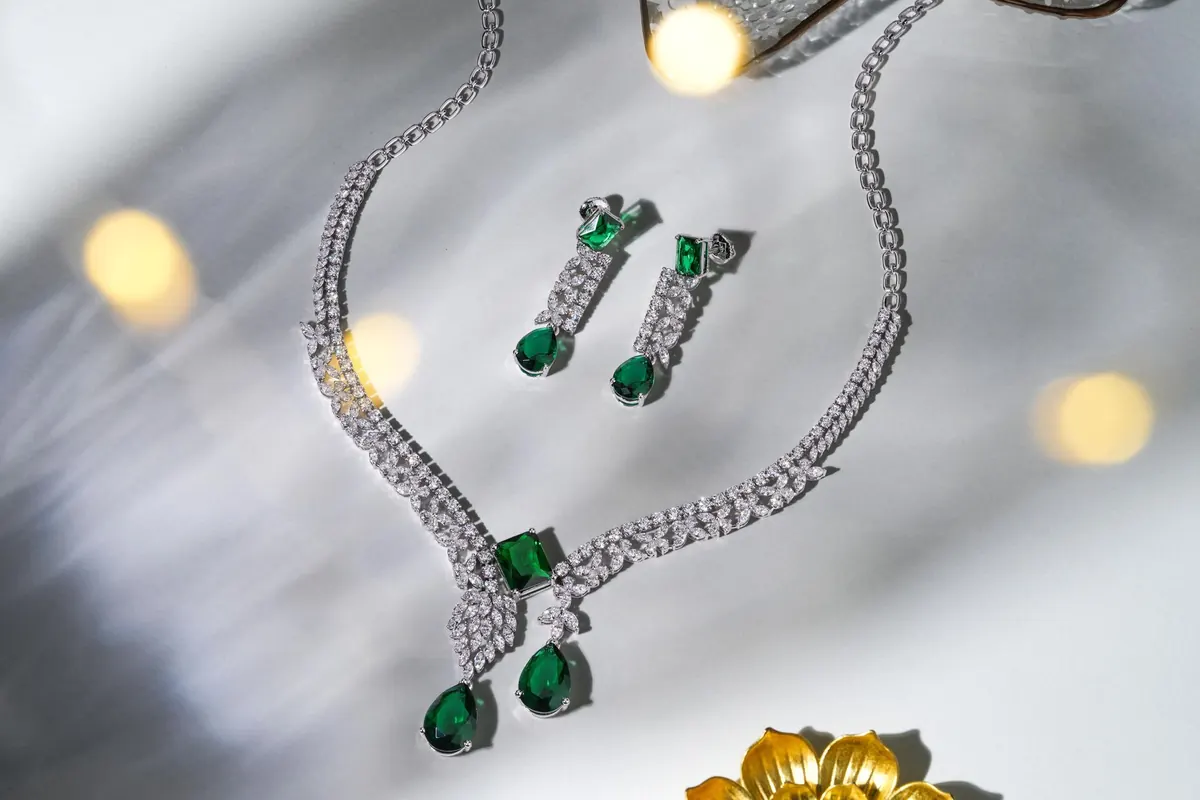
- May — emerald. Green and unmistakable. Small internal flaws are normal in emeralds and are not a fault.
- June — pearl, moonstone or alexandrite. Three options, which makes it easy to match someone's style.
- July — ruby. Classic red corundum, and usually the priciest of the summer stones once you go beyond small sizes.
- August — peridot. A fresh yellow-green that flatters most skin tones. Spinel and sardonyx appear on some lists.
- September — sapphire. Blue is standard, but pink, yellow, green and colourless sapphires are all genuine sapphires.
- October — opal or tourmaline. Opal for play of colour; tourmaline if you want something that stands up better to daily wear.
- November — topaz or citrine. Golden citrine is the affordable route; blue topaz is the modern favourite.
- December — turquoise, zircon or tanzanite. Three very different looks, from soft matte blue to violet-blue sparkle.
Why the traditional lists differ
Older sources still name bloodstone for March, sardonyx for August and topaz for November. The lists were compiled by different trade bodies over more than a century, so they drifted, and shops today may follow either version. If you are buying for a stickler, ask which list the jeweller uses and say which you mean. Otherwise, choose the stone the recipient will actually enjoy looking at.
Birthstone jewellery ideas that work as gifts
Think about how the person lives before you think about carat weight.
For everyday wear
Stud earrings, a slim pendant on a short chain, or a simple stacking ring. Pick a harder stone here, because these pieces get knocked against desks, doors and washing-up bowls. Sapphire, ruby, diamond, topaz and amethyst all tolerate that reasonably well. A rub-over setting, where metal wraps the edge of the stone, protects it better than tall claws.
For something more special
A dress ring, a bracelet with one stone as the centrepiece, or cufflinks with a small birthstone set into the face. This is where you can use softer, more unusual material — opal, moonstone, turquoise — because the piece is worn occasionally rather than every day.
For a new baby or young child
Many families choose a small charm, pendant or pair of studs and keep them safe until the child is old enough to wear them. It becomes a keepsake first and jewellery second.
Five checks before you buy
- The hallmark. In the UK, items made of gold, silver, platinum or palladium above certain weights must be hallmarked by an assay office. Find the mark, and ask which metal purity it shows.
- The setting. Check claws for snags and uneven tips. If the piece is for a ring worn daily, ask about a bezel or rub-over option.
- Treatment. Heating, oiling and filling are routine for many stones. Reputable sellers disclose it, and it affects both price and how you should care for the piece.
- Resizing. Ask whether the design can be resized and by how many sizes. Some settings and channel-set designs cannot be altered at all.
- Paperwork. Get the stone described on the receipt and keep it, along with any certificate. Check the returns window before you leave the shop, especially for a gift bought in advance.
If you are spending a significant amount, or buying something you intend to treat as an investment, take independent advice first. Birthstone jewellery is sentimental, not financial, and it is worth being honest with yourself about which one you are buying.
Hardness, wear and care
Gemstones are ranked on the Mohs scale, from 1 (talc) to 10 (diamond). It measures scratch resistance, not toughness, so a hard stone can still chip. Diamond sits at 10, ruby and sapphire at 9, topaz at 8, amethyst around 7, opal around 5.5 to 6.5, and pearl somewhere between 2.5 and 4.5.
What that means in practice:
- Hard stones belong in rings. Softer ones are safer in earrings, pendants, brooches and occasional-wear bracelets.
- Emeralds are reasonably hard but often brittle because of internal flaws, so they dislike knocks and ultrasonic cleaners.
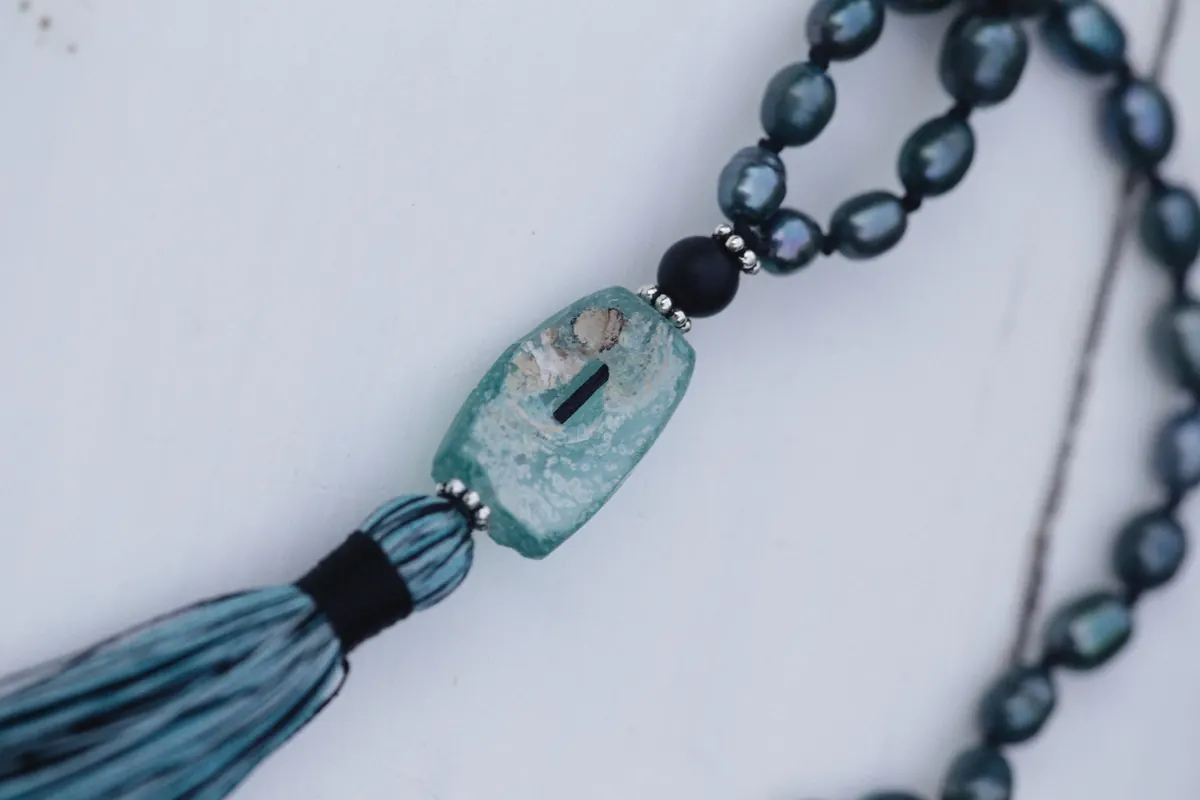
- Pearls, opals and turquoise are best wiped with a soft cloth and kept away from perfume, hairspray and household cleaners.
- Store pieces separately, or in individual pouches, so a diamond does not scratch everything beside it.
If you are still unsure
Start with the recipient's habits, not the stone chart. Someone who never removes their rings needs sapphire, ruby or diamond; someone who swaps jewellery with their outfit can happily wear opal or moonstone. If two months are in play — a partner born in October, a child in June — pick the stone that suits the piece you have in mind.
A good independent jeweller will let you look through a loupe, explain treatments and hold a stone against your skin in daylight. That conversation is worth more than any online description, and it is the fastest way to learn what you actually like. A modest stone in a well-made setting will always look better than a large one held in something flimsy.
Photo: karishea / Pixabay