British Gemstones: Blue John, Whitby Jet and Cornish Serpentine
A practical guide to three British gemstones — Derbyshire's Blue John, Whitby jet and Cornish serpentine — covering their history, appearance, substitutes, and where to see and...
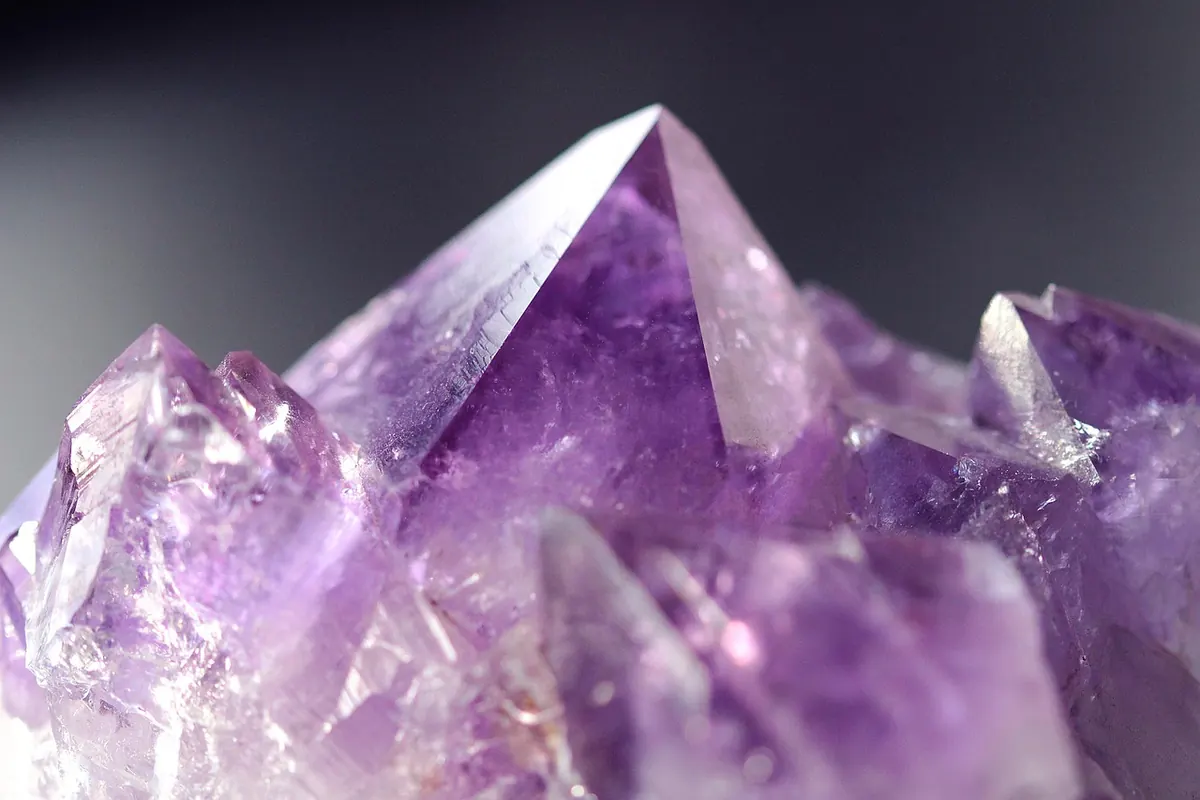
Britain isn't a country most people associate with gemstones. There is no sapphire rush, no emerald mine, no diamond pipe. What there is instead is a small, stubborn collection of stones with real character: a banded fluorite found nowhere else on earth, a fossilised wood black enough for Victorian mourning, and a green, veined rock cut from the cliffs of the Lizard. Each is tied to a place, and each is still worked and sold within a few miles of where it formed.
Blue John: Derbyshire's Banded Fluorite
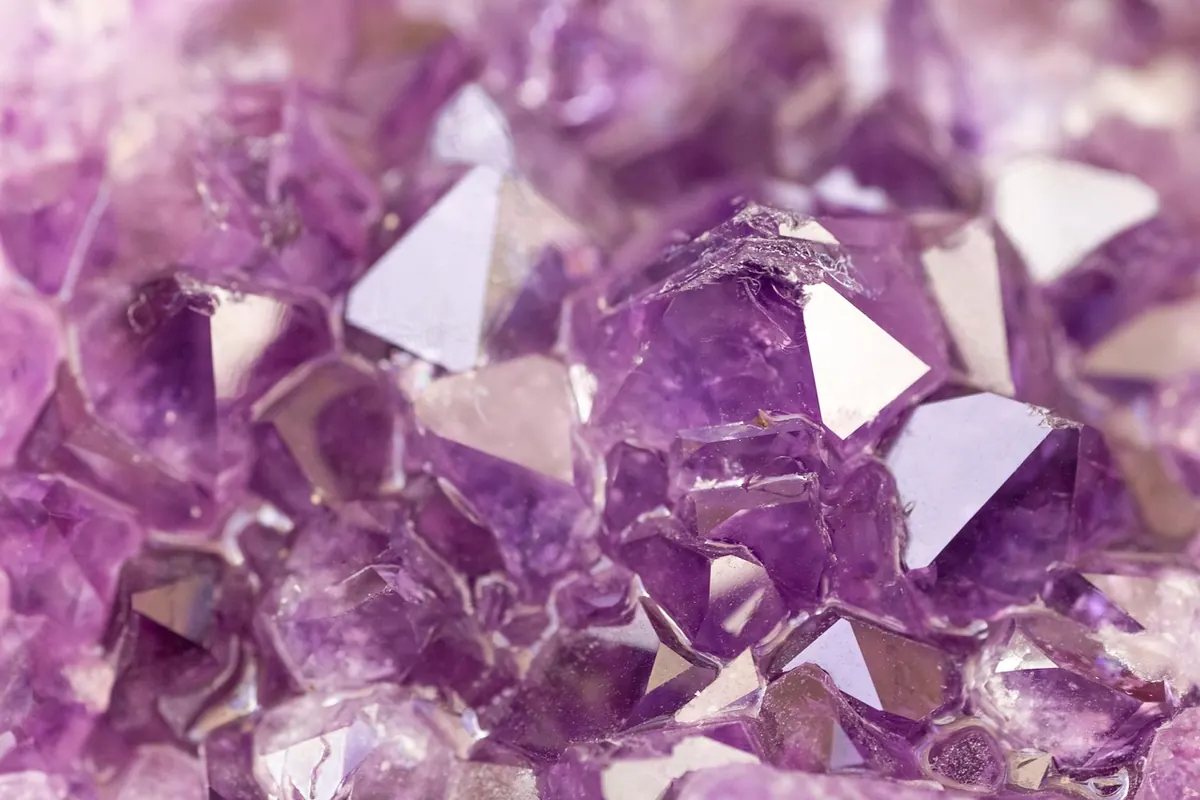
Blue John is a banded variety of fluorite found only around Castleton, in the hills above the Hope Valley in Derbyshire. The bands run in shades of deep purple, blue, cream and amber — sometimes tight and concentric, sometimes broad and wavy. No two pieces are quite alike, which is much of the appeal.
Lead was mined here in Roman times and the stone was certainly known to them; the name is often traced to the French bleu-jaune, blue-yellow, though the derivation is disputed. What isn't in doubt is the eighteenth-century fashion for ornamental Blue John. Vases, urns, obelisks, candlesticks and table tops were cut in Derbyshire workshops and sent to country houses across Britain. Chatsworth holds one of the finest collections, including its celebrated Blue John window.
It was always a decorative stone first and a jewellery stone second. Fluorite is soft — around 4 on the Mohs scale — and cleaves cleanly along its crystal planes, so it chips and splits more readily than agate or quartz. Mining today is small-scale and intermittent, tied largely to the caverns at Treak Cliff, Blue John and Speedwell. Treak Cliff still produces the stone and takes visitors past the veins underground. In Castleton's shops you'll find polished slices, cabochons, pendants and small bowls; the best show strong, unbroken banding rather than hairline fractures.
Whitby Jet: Black, Light and Strange
Jet is fossilised wood — a hard, densely compacted lignite around 180 million years old — found in the shales and cliffs around Whitby in North Yorkshire. Storms wash it out of the sea, and it turns up on the beach as black pebbles that feel far too light for their size.
In the hand it is warm and smooth, and polished it takes a mirror shine. Rub a piece briskly on wool and it picks up static and attracts dust — still the quickest way to test a suspect bead on a market stall.
The Victorians made jet famous. After Prince Albert died in 1861, Queen Victoria wore mourning for the rest of her life, and jet became the material for mourning jewellery: carved ivy-leaf brooches, beads, lockets and full parures. Whitby workshops employed hundreds of cutters and carvers. The town's museum holds a large collection, and there are still jet workshops on Church Street where you can watch a piece being cut and finished by hand.
Substitutes were sold even then. French jet is black glass; vulcanite and ebonite are hardened rubber; modern fakes are plastic, resin or dyed horn.
Cornish Serpentine: The Lizard's Green Stone
Serpentine is a metamorphic rock formed from altered mantle material, and the Lizard peninsula in Cornwall is made largely of it. Here the gemstone and the landscape are the same thing.
Colour ranges from pale olive and grey-green to deep sea green, often mottled and veined with red-brown, cream and purple, with a waxy sheen when polished. It can look surprisingly like jade, though it is far softer — roughly 2.5 to 4 on the Mohs scale, so a fingernail won't scratch it but a knife will.
Lizard serpentine was worked commercially as an ornamental stone from the nineteenth century, turned into vases, boxes, mantel ornaments and souvenirs for the growing tourist trade. Shops in the Lizard village and around Helston and Mullion still sell polished pieces cut from local stone, and the cliffs at Kynance Cove show the raw rock at its best.
One sensible caution: serpentine minerals are related to asbestos, though the massive ornamental variety used for carving is not the fibrous kind. Cutting, grinding or sanding any serpentine creates dust, so wear a proper mask and work wet if you're shaping your own. Buying finished pieces avoids the question altogether.
Spotting Substitutes
All three have been copied for well over a century, and a few checks go a long way.
- Weight and warmth. Jet is light and warm; black glass is cold and heavy.
- Banding that goes all the way through. Genuine Blue John has bands running into the stone. Dyed or composite material looks flat, with pattern only at the surface.
- Fractures. Blue John splits along its cleavage planes, so a piece riddled with cracks won't survive a knock.
- Too uniform. Real serpentine varies. Bright, even, unmarked green at a low price is usually dyed howlite or resin.
- Provenance. Buy where the stone is worked, and ask where the rough came from. A good seller will know.
Where to See and Buy
- Castleton, Derbyshire — cavern tours at Treak Cliff and Blue John, plus jewellery and ornaments in the village shops.
- Chatsworth and Bolsover Castle — historic Blue John collections, seen in the setting they were made for.
- Whitby, North Yorkshire — the museum's jet collection, working jet workshops on Church Street, and beachcombing after a storm.
- The Lizard, Cornwall — workshop and gallery pieces in the Lizard village, with the serpentine cliffs themselves at Kynance Cove.
Caring for Them at Home
All three are soft by gemstone standards and reward gentle handling. Keep Blue John out of strong direct sunlight, since prolonged exposure can fade fluorite's colour, and store each piece separately in a soft pouch rather than loose in a jewellery box.
Clean with lukewarm water, a drop of mild washing-up liquid and a soft brush, then dry with a cloth. Skip ultrasonic cleaners and anything acidic or abrasive: serpentine reacts badly to acids, and jet dislikes heat, dryness and the alcohol in perfume and hairspray. Take rings and brooches off before gardening, washing up or swimming.
If you want a piece with a story attached to a place, buy it in that place — a Blue John pendant from Castleton, a jet brooch from a Whitby workshop, a serpentine paperweight from the Lizard. None will break records at auction, but they carry a geology and a history that imported stones don't.
Photo: Dieter444 / Pixabay