How to Clean Gemstone Jewellery Safely: A UK Checklist for Silver, Gold and Soft Stones
A practical UK checklist for cleaning gemstone jewellery safely, covering silver, gold, porous stones and ultrasonic cleaners, plus the habits that prevent most damage.
A diamond ring can shrug off years of daily wear and then be ruined in ninety seconds by the wrong cleaning method. The stone is rarely the problem — heat, chemicals and vibration are. Cleaning gemstone jewellery safely comes down to matching the method to the material, and knowing which pieces should never go near a machine, a dip or a strong household cleaner. What follows is a practical checklist for silver, gold, porous stones and everything in between: the kind of jewellery most of us actually own and actually wear.
Identify the stone before you pick up a cloth
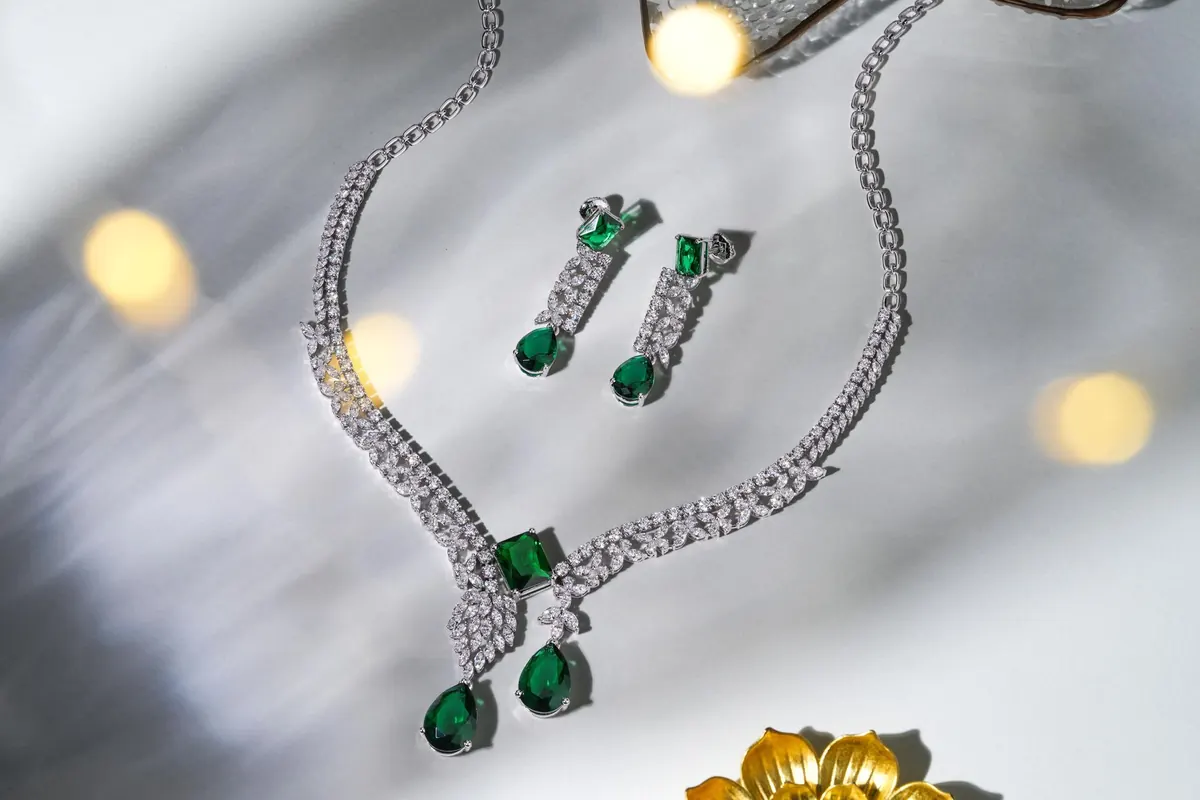
Hardness and toughness are different things, and confusing them is how good jewellery gets damaged. Mohs hardness measures how well a surface resists scratching; toughness describes how well a stone holds together when knocked or heated. Diamond sits at 10 and is genuinely tough, which is why it tolerates almost any sensible cleaning. Emerald is around 7.5 to 8, so it scratches far less easily than people assume — but it is heavily included, often oiled or resin-filled, and comparatively brittle, which makes it a poor candidate for ultrasonic tanks and steam.
Opal, pearl, turquoise, amber, coral, lapis lazuli and malachite sit at the other end of the spectrum. They are soft, porous, or both, and they react badly to chemicals, heat and prolonged soaking. Tanzanite and kunzite are harder but heat-sensitive or prone to cleaving. If you cannot identify a stone, treat it as delicate until a jeweller tells you otherwise.
The five-minute method that suits most pieces
For gold, platinum, silver and durable stones such as diamond, sapphire, ruby, quartz, garnet and cubic zirconia, a gentle hand-clean is all you need.
- Fill a small bowl with lukewarm water and add two or three drops of mild washing-up liquid. Skip anything with lemon, bleach, ammonia or “extra strength” on the label.
- Soak the piece for five to ten minutes to soften dried soap, hand cream and skin oils.
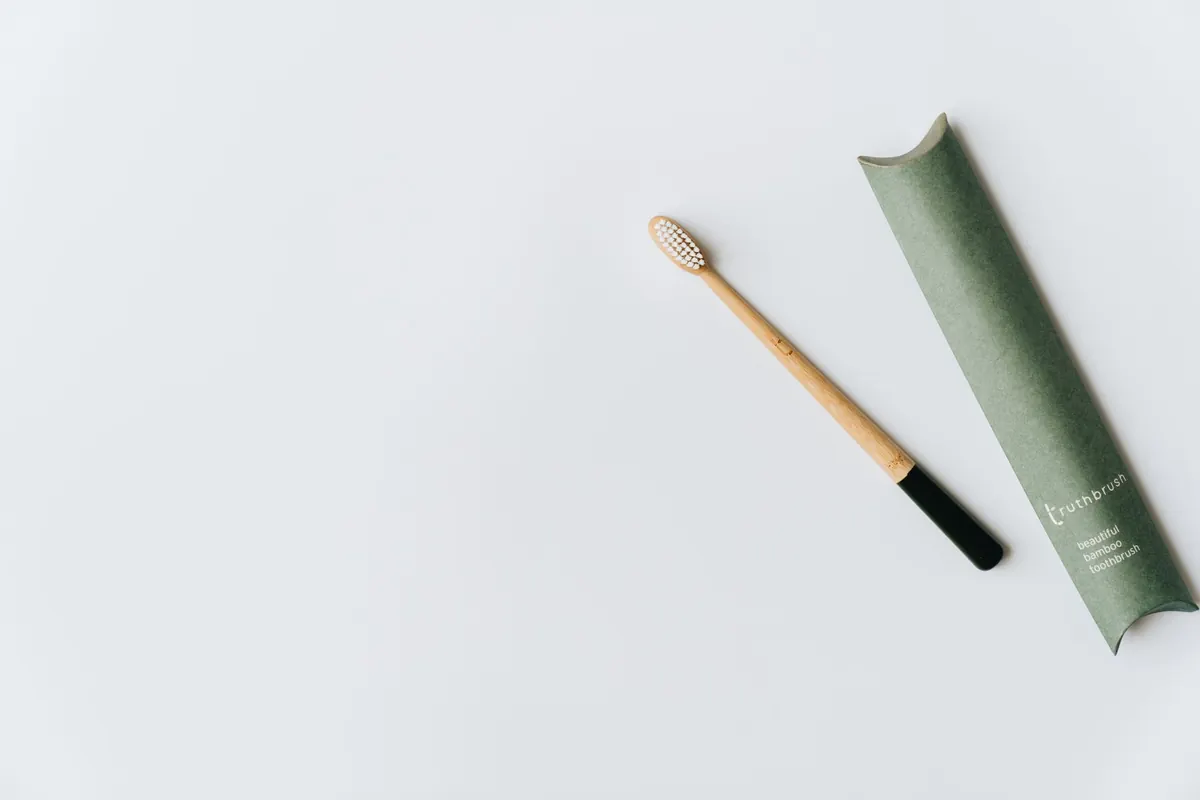
- Brush gently with a soft baby toothbrush, working around the claws and the underside of the stone, where grime actually collects.
- Rinse in a second bowl of clean water — or hold the piece in a small sieve if it has a loose stone.
- Pat dry with a lint-free cloth and leave it on a towel for an hour before wearing or storing it.
Skip toothpaste, baking soda, vinegar and abrasive creams. They scratch metal, dull facets and can loosen settings over time. Hard water leaves spots, so a final rinse with filtered water helps if you live in a hard-water area.
Silver and gold: same technique, different warnings
Silver
Silver tarnishes because it reacts with sulphur compounds in the air and on skin. Regular wear slows this down; storage in a tarnish-resistant bag or a closed box with anti-tarnish strips slows it further. A silver polishing cloth is the safest everyday tool, and it preserves the deliberate dark oxidation on antique or oxidised finishes.
Silver dip is a different proposition. It is an aggressive chemical bath, usually acid-based or containing thiourea, and it strips oxidation from the whole piece — including the recessed detail you wanted to keep. Never dip silver that holds pearls, opals, amber, turquoise or glued-in stones, and do not dip plated or antiqued pieces.
Gold
Gold itself is chemically calm, but the alloys and finishes are not. Chlorine is the biggest avoidable enemy: it attacks the alloys in white and rose gold and can make prongs brittle. Take rings off before swimming, using a hot tub, or cleaning with bleach-based products. Yellow gold with a matte or brushed finish should be cleaned with a cloth rather than a brush, which will polish the texture away.
Soft, porous and sensitive stones
For these, the rule is minimal contact and no soaking. Wipe with a soft, slightly damp cloth, dry immediately, and put the piece away.
- Pearls: wipe after each wear with a soft cloth. Never soak, never use chemicals or an ultrasonic tank, and have a well-worn strand restrung periodically — silk thread stretches and weakens.
- Opal: avoid heat, sudden temperature changes, oils and detergents. Many opals contain water, and harsh cleaners or very dry air can dull or craze the surface.
- Turquoise, lapis, malachite, coral and amber: porous and chemically reactive. Keep them away from perfume, hairspray, sunscreen and hand sanitiser.
- Emerald: brief lukewarm rinse, soft cloth, no soaking, no ultrasonic, no steam. Ask a jeweller about re-oiling if the stone looks dry.
- Tanzanite, kunzite, moonstone and topaz: prone to heat damage or cleavage. Clean by hand and store with care.
Apply perfume, moisturiser and hairspray before putting jewellery on, not after. That single habit prevents more damage than any cleaning product.
Ultrasonic and steam cleaners: know when to say no
Ultrasonic tanks work by vibration, and steam cleaners combine heat with pressure. Both are excellent for diamonds, sapphires, rubies and plain metal, and both become risky the moment a stone is included, treated, glued or soft. Keep them away from emerald, opal, pearl, turquoise, amber, coral, lapis, malachite, tanzanite, kunzite and moonstone, along with fracture-filled diamonds and antique pieces with delicate settings. If a stone has a visible crack, a chip or a filled surface, treat it as fragile.
If you keep an ultrasonic cleaner at home, use it sparingly and never with household detergent. Purpose-made jewellery cleaning solutions are formulated for the job; washing-up liquid foams far too much.
Storage and daily habits
Most scratches happen in the drawer, not on the hand. Store pieces separately — a soft pouch or a compartment each — so a diamond never sits against an opal. Pearl strands should lie flat and away from metal. Keep silver in a closed, tarnish-resistant bag, and keep everything out of direct sunlight and away from radiators.
Check settings while you clean. Look at the claws under a bright light, and run a fingernail gently around the stone to feel for movement. A loose stone is far cheaper to tighten than to replace.
When to stop and call a jeweller
If a stone moves, a claw is worn flat, a ring has been knocked out of shape, or the piece is antique, valuable, or set with something you cannot identify, leave it alone and take it to a jeweller or qualified gemmologist. Many will clean and inspect a piece while you wait, and that quick check is worth more than any home remedy. For valuable items, make sure your insurance cover reflects what you actually own; a professional valuation is the usual starting point, and it is worth taking proper advice if the piece is significant.
Cleaning gemstone jewellery safely is mostly about restraint. Lukewarm water, mild soap and a soft brush will keep gold, silver and hard stones looking their best for years. Everything softer, more porous or more unusual deserves a cloth, a dry hand and a little patience.
Photo: alleksana / Pexels