The Mohs Scale Explained: Choosing Gemstones for Everyday UK Jewellery
The Mohs scale ranks gemstones by scratch resistance, but hardness alone won't tell you if a stone suits a ring. Here's how to match stones to everyday wear.

An opal pendant can be worn daily for decades and still look lovely. The same opal in a ring, worn through gardening, gym sessions and the weekly shop, may chip within a year. Nothing about the stone has changed — only what it is asked to withstand. The Mohs scale is the simplest way to judge how much punishment a gemstone can reasonably take, and it is also one of the most often misread.
What the Mohs scale actually measures
Devised by the German mineralogist Friedrich Mohs in 1812, the scale ranks ten reference minerals by scratch resistance. A mineral that scratches another is harder; one that is scratched is softer. The standard order runs from talc at 1 up to diamond at 10:
- Talc
- Gypsum
- Calcite
- Fluorite
- Apatite
- Orthoclase feldspar
- Quartz
- Topaz
- Corundum — the mineral family that includes ruby and sapphire
- Diamond
Two things catch people out. The numbers are ordinal, not proportional: the gap in real terms between 9 and 10 is far larger than the gap between 1 and 2. And the scale describes only resistance to being scratched by another mineral. It says nothing about how a stone copes with impact, heat, chemicals or a sharp knock against a kitchen worktop — which is what most jewellery damage actually involves.
Hardness is not toughness
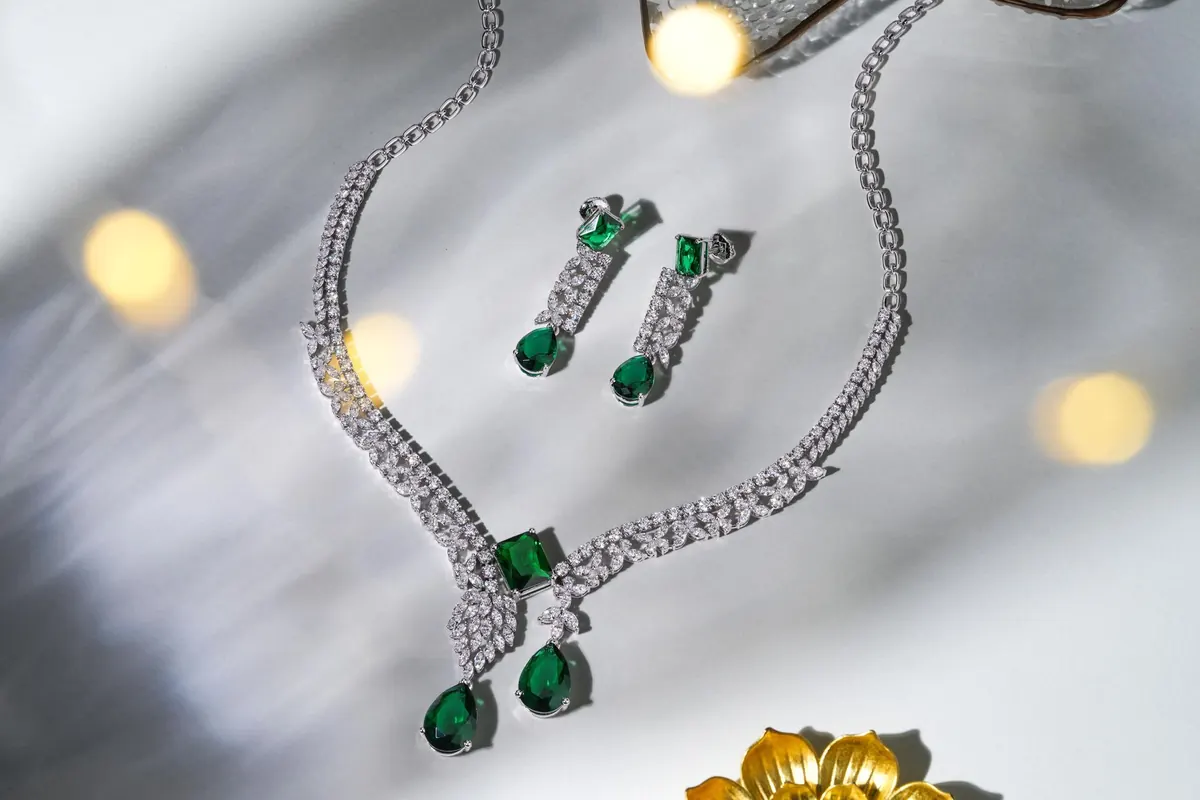
Emerald sits at 7.5 to 8, comfortably above quartz, yet it is one of the riskier stones for a ring worn every day. Almost every emerald contains internal fractures, and a modest knock can chip an edge. Nephrite jade, at around 6 to 6.5, is used for bangles that survive generations because its crystals grow in an interlocking, felted structure. Hardness and toughness are different properties, and toughness is what a ring or bracelet really needs.
Cleavage matters too. Diamond is the hardest material on the scale but cleaves perfectly along four planes, so an unlucky blow on the grain can take off a corner. Topaz, at 8, also has perfect cleavage and has no business in a ring you would wear to the gym. Tanzanite, near 6.5, cleaves in one direction. None of this shows up in the Mohs number.
Start with the piece, not the stone
The useful question is not "how hard is this gemstone?" but "what will this piece of jewellery go through?" Ask that first and the choice becomes much clearer.
- Rings — the hardest life of all. Hands hit doorframes, lift weights, dig compost and grip shopping bags.
- Bracelets and bangles — constantly in contact with desks, keyboards, chair arms and car doors, and individual stones rub against one another.
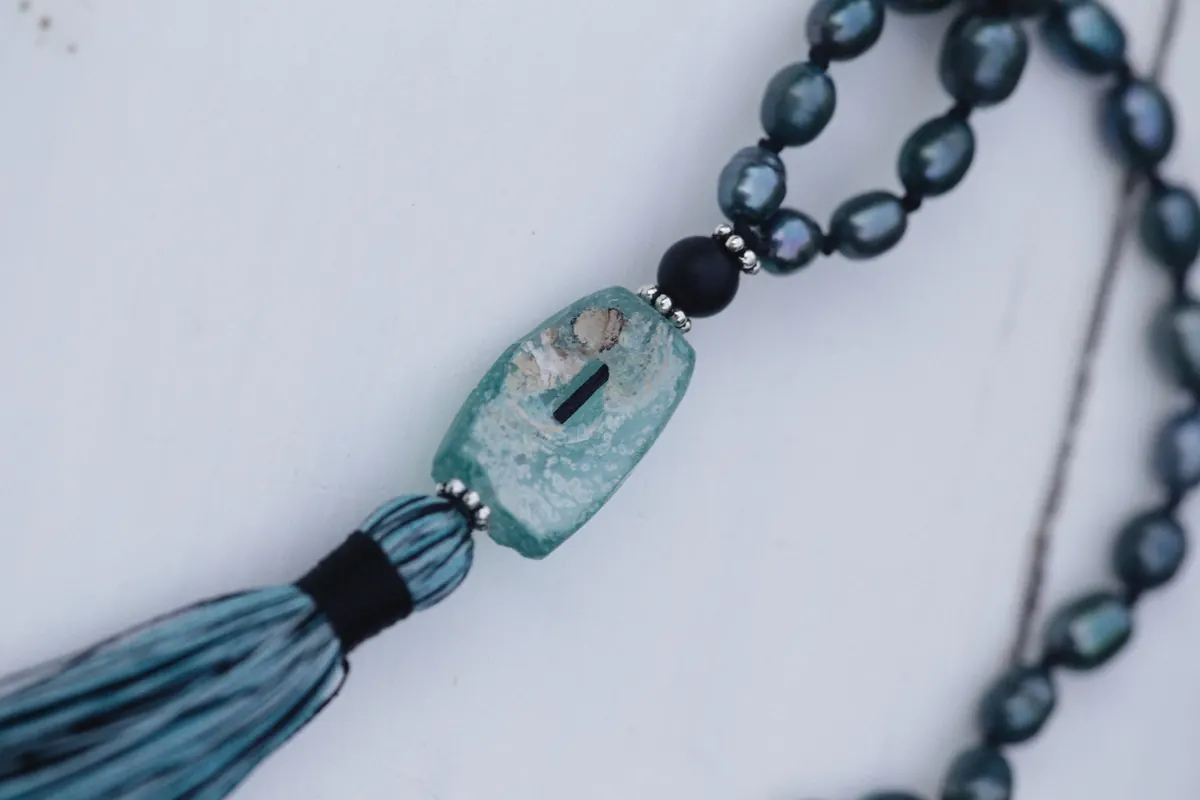
- Necklaces and pendants — far gentler. A stone resting against clothing or skin is rarely struck, which is why opals, pearls and amber work beautifully here.
- Earrings — gentler still, though long drops can catch on wool and hair.
- Brooches — moderate, depending on how often the piece gets knocked.
A workable rule of thumb
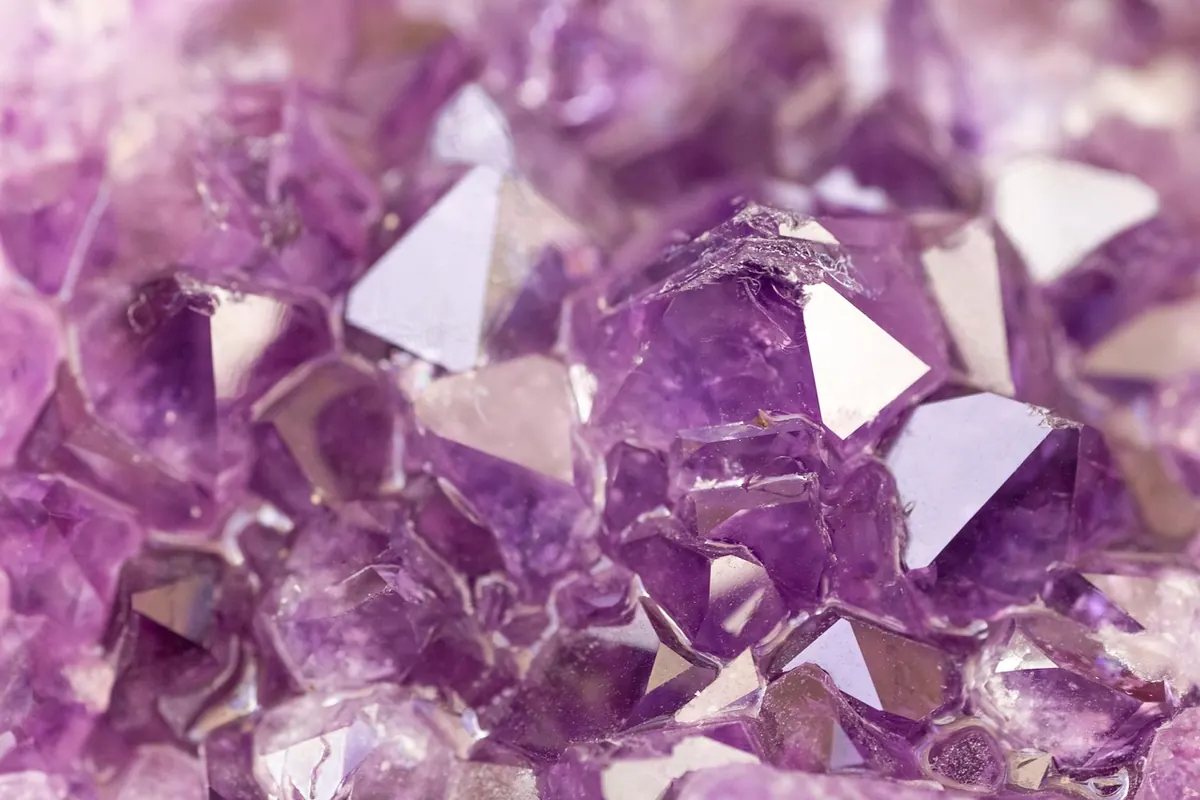
For a ring you never take off, look for 8 or above with no significant cleavage — corundum at 9 and diamond at 10 are the classics, with spinel at 8 doing the same job quietly. For a ring worn a few days a week, 7 is fine: the quartz family covers amethyst, citrine, smoky quartz and rose quartz. Below 6, treat rings as occasional pieces and wear them knowingly.
The awkward middle: stones between 6 and 8
This is where most of the colourful, characterful and affordable gemstones live, and where most damage happens. Moonstone, tanzanite, peridot, tourmaline and emerald all sit between 6.5 and 8. They are perfectly wearable — in the right piece and the right setting.
Settings do a lot of the work. A bezel, which wraps metal around the edge of the stone, protects vulnerable corners far better than four slim claws. Paired with a pendant or a dress ring, a protective setting makes stones like opal, tanzanite and emerald entirely practical. The same stone in a high claw setting on a hand that types, cooks and carries bags all day is asking for trouble.
Everyday habits the scale won't warn you about
Most damage is caused by ordinary life rather than by other gemstones. A few habits matter more than a point or two on the scale:
- Take rings off for gardening, decorating, lifting weights and washing up.
- Remove jewellery before swimming and before hot tubs; chlorine and hot water are unkind to many stones.
- Apply hand sanitiser, hairspray and perfume first, and let them dry. Porous stones such as opal, turquoise and pearl are especially sensitive.
- Store pieces separately, in pouches or a lined compartment. Loose stones in a box will scratch one another, and diamond scratches everything.
- Clean most stones with warm water, a drop of mild washing-up liquid and a soft brush. Ultrasonic and steam cleaners are not suitable for every gemstone — emerald, opal and tanzanite are commonly advised against — so follow the guidance for your specific piece.
- Have claws and settings checked roughly once a year, particularly on rings worn daily. Tightening a loose stone is far easier than replacing one.
If you are unsure what a stone is, take it to a qualified gemmologist or a jeweller belonging to a recognised trade body. Scratch and acid tests at home can damage a stone and rarely give a reliable answer.
A practical way to choose
Work backwards from the wear, not forwards from the stone. Decide the piece, then how often it will be worn, then how much contact it will see — and only then choose the gemstone. If there is a stone with personal meaning that sits lower on the scale, put it in a pendant or a pair of earrings and enjoy it there without worry. If it must go in a ring, protect it with a bezel setting and take it off for the messy parts of the day.
The Mohs scale will not tell you which stone to love. It will tell you where that stone belongs — and a beautiful gemstone in the right piece will outlast almost anything you throw at
Photo: hbieser / Pixabay